

Canberra is full of people on the move – arriving for study, taking a new job, or switching neighbourhoods. Residential moves can be emotional journeys that are full of stress – that’s why you need a Declutter Plan.
A Declutter Plan is a popular framework to tackle monumental clean-ups (like before a move) without burning out midway through. This day-by-day timeline will help you clear out what you don’t need before the big day.
A skip hire before a move is convenient too. After all, why pay to move things to your new home that you don’t need? Skips are environmentally friendly as well. Here at Angel Waste, we recycle as much as possible from our bins to make waste management more sustainable.

Skip bin sizes
Let’s start with the skip bin hire. What skip size do you need? The right size skip bin depends on the size of your home. To declutter a 2- to 3-bedroom house before a move, bins with a capacity of 4 to 6 cubic metres generally work. Larger homes may require bins of 6 to 9 cubic metres. If you’re not sure, go up a bin size.
Types of waste
Your waste removal needs will also drive skip bin hire in Canberra and the surrounding areas. Moving house often requires general waste bins, but we offer disposal of other waste as well. Green waste bins and trash paks are the solution if you need to tidy up the garden before your move. Bins for domestic and commercial renovations hold waste types like concrete, tiles, bricks, and more.

The 7-Day Declutter Plan
Begin by assigning separate areas in every room for the items you want to keep and move, donate, or put in the bin. You may also want an area for items that you’re not sure about yet. Now let’s look at the schedule for the week before your move.

Day 1: Grab the low-hanging fruit
Bathrooms and linen closets don’t often contain items of sentimental value, so they’re a good place to start. And they’re small, so you’ll feel like you’ve made a lot of progress.
In the bathroom, get rid of expired medications, old cosmetics, dried nail polishes, and empty bottles of cleaners, soaps, and shampoos. In the linen closet or cupboards, throw away old pillows along with stained or ragged towels and sheets.
Day 2: Blow through the kitchen
Food is the easy part. Go through the pantry and fridge to get rid of food past its expiration date. Next, throw out broken gadgets or plastic containers missing their lids.
Now it gets harder. Assess multiple sets of dishes, glasses, and pans. Do you really need them? Can you pass them along to someone who does?
Do you have duplicate appliances? Are you using both of them? Are the Canberra Buy Nothing groups on Facebook or donations to Vinnie’s options?

Day 3: Purge the clothing
As you sort your clothing, look for items that don’t fit, are stained, or can’t be repaired. Put them straight into the bin. If you find socks or gloves without their mates, throw them out too.
Have you worn the article of clothing in the last year? If not, it’s probably just taking up space. Is donating to a charity or using a buy-nothing group an option?
Day 4: Eject the entertainment
Entertainment covers everything from magazines and books to video games and DVDs. Trash old magazines, damaged or mouldy books, and puzzles and games with missing pieces. Obsolete electronic formats should go too, along with cables and other components that no longer match a device.
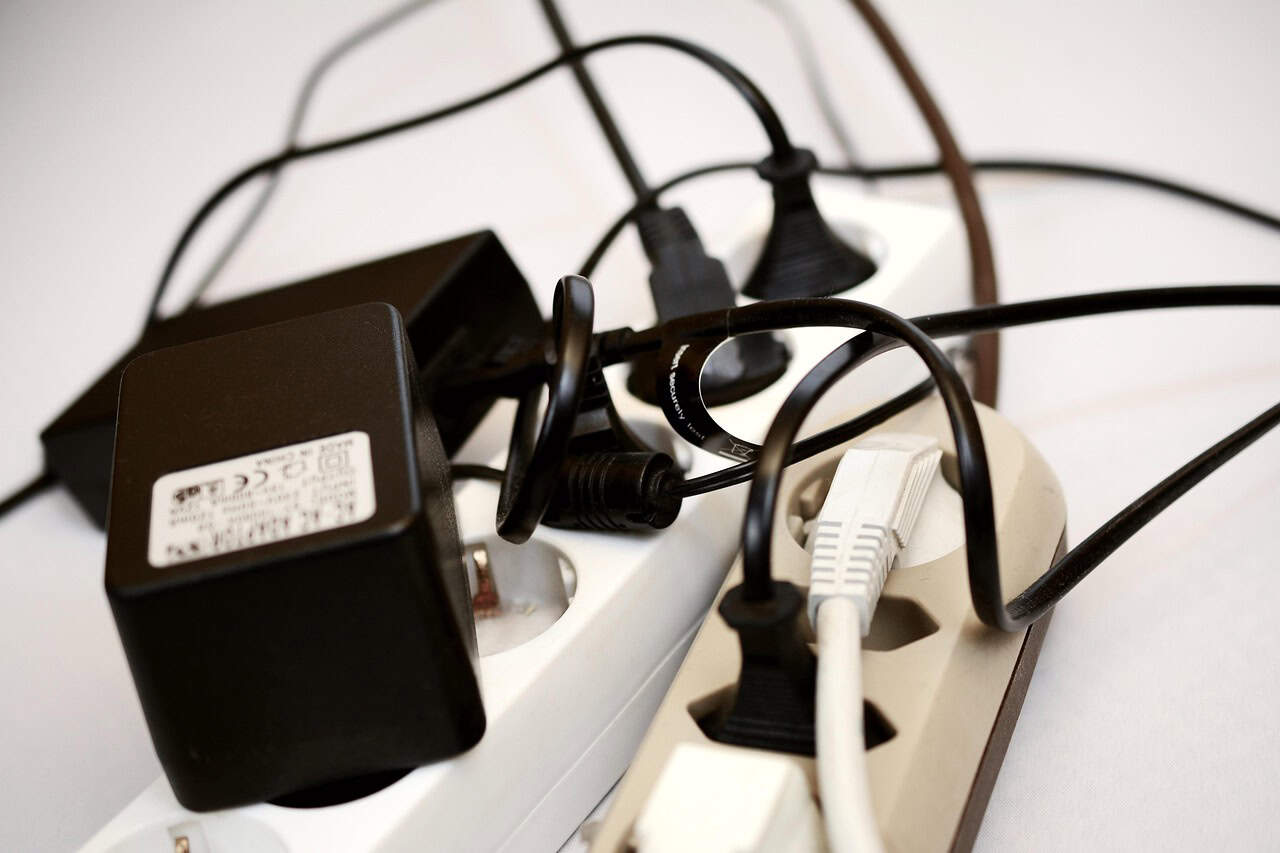
E-waste, like electrical cables and cords, cannot go in a skip bin. They can be dropped off at your local Resource Management Centre.
Day 5 – Tackle the big-ticket items
These areas include the garage, attic, sheds, and other storage. Don’t forget about any external rentals for storage space, too.
Here’s where a hired bin is really useful. Dispose of any leftover materials from home or garden projects. (Remember that any remaining paint in a can has to be dry before it can go into a skip bin.)
Trash broken or rusty garden tools, garden furniture you aren’t taking, and broken camping equipment or sports gear.
Day 6 – Rummage through the rest
These items may include toys, hobby materials, collectables, and office supplies. Clear out anything broken or no longer used. Dispose of old documents that you don’t have to legally keep. An office shredder is a safe, efficient way of getting rid of them.
Day 7 – Make a final sweep
Go through each room one last time. Any items still in the ‘Maybe’ area should go into the skip bin.
Canberra skip bin hire
When will you need your bin? Many people prefer to start their clean-up and then have the bin arrive on Day 4. That gives you plenty of time to sort before bin delivery, fill the bin, and make any final decisions before we collect it on Day 7. You can keep the skip for 3 days, 7 days, or 27 days. We also offer custom bookings. If you need the bin for longer, you can extend the booking.
Loading the bin
Load your skip bin efficiently. The skip bin is full when your rubbish is level with the top of the bin. Overfilling the bin may result in additional charges, or the driver may refuse to collect the bin.
And you’re done! All ready for your house move and your coming adventures in your new home.
Need skip bin hire services?
If you have questions, check out our Frequently Asked Questions (FAQs). If you still can’t find the answer, get in touch.
If you’re ready to order, you can book a skip online.