
The process of waste management can be visualised as the life cycle of a new product. It starts with the extraction of resources or virgin raw materials for the product and ends with its disposal or a second life after recycling. You may also hear this process called the circular economy.

Individuals and businesses have a role in the waste management process. They can help reduce the environmental footprint at each stage through their actions and decisions. Let’s look at how.
1. Resources
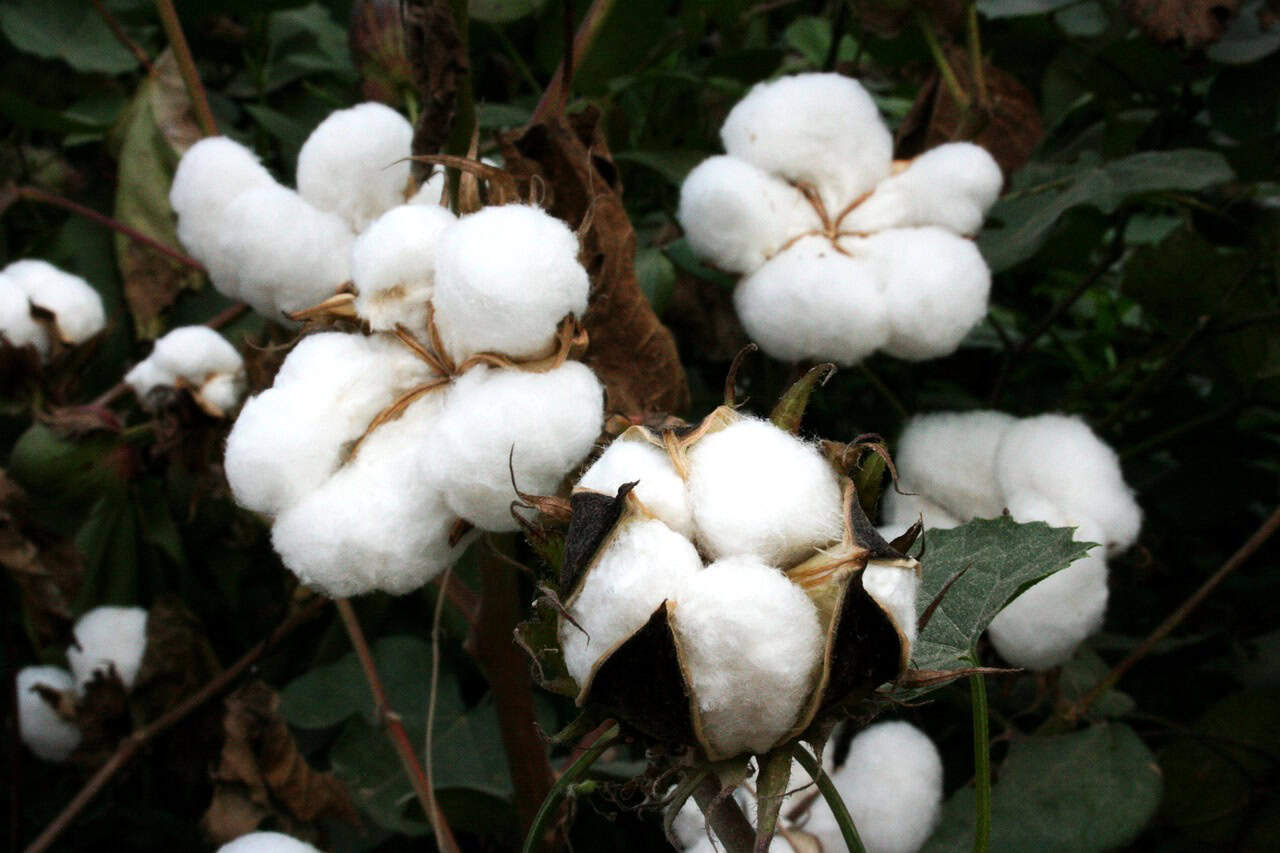
Extracting virgin materials can harm the environment by exhausting finite resources, damaging soil and habitats, polluting the air and water, and contributing to greenhouse gas and climate change. Responsible businesses explore new technologies and techniques to reduce their environmental impact. For example, Apple developed a robot to recover metals from old iPhones like tin, aluminium, and cobalt, reducing the need for new mining. Patagonia embraced organic regenerative farming for cotton as a way to improve soil quality and biodiversity, use less water, and put carbon back into the earth.
In the first three stages of the life cycle, individuals can aid sustainability efforts by educating themselves and supporting companies that invest in reducing their environmental impact.
2. Processing
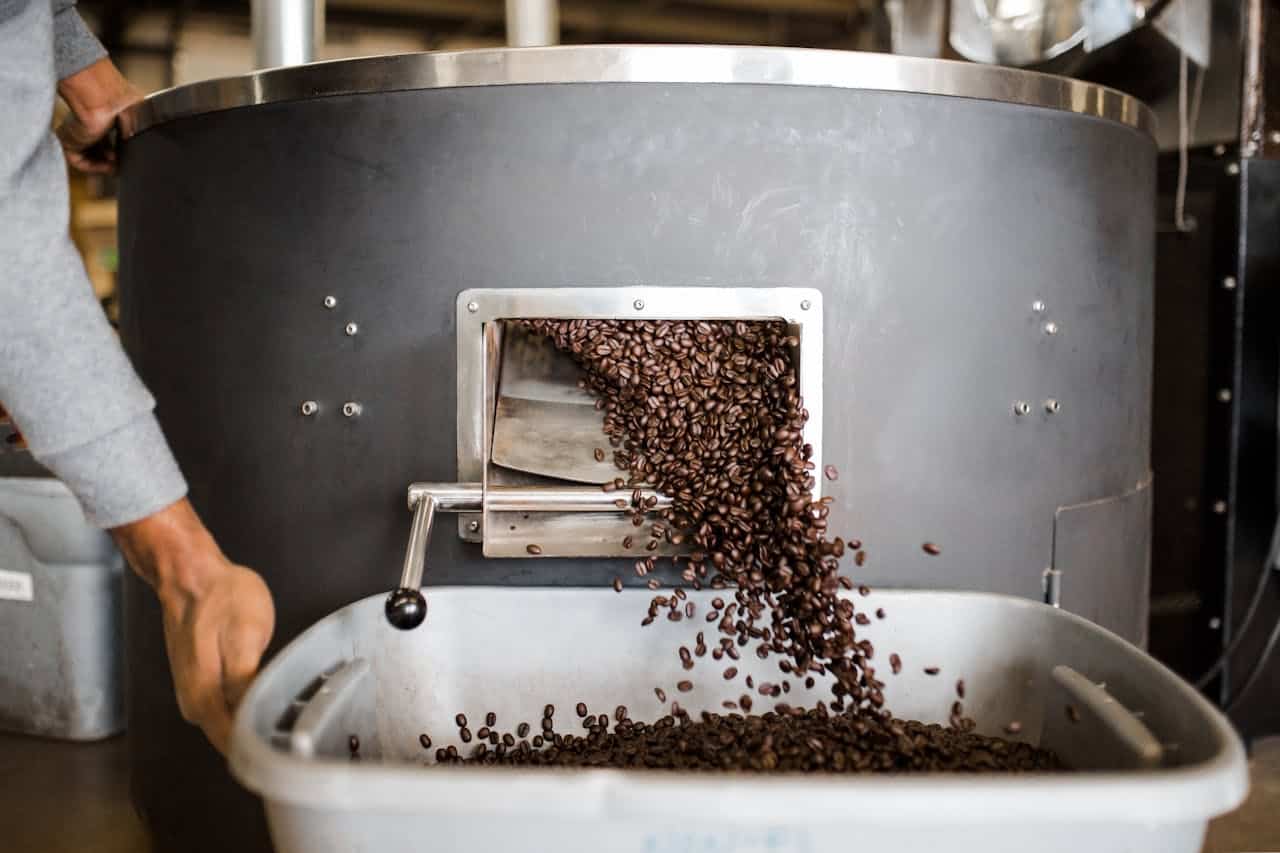
Industrial processes can release particulate matter that causes air pollution and health problems. Responsible businesses have responded by finding ways to make processing safer. For example, coffee roasters on five continents turned to wet scrubber technology to remove particulates from roasters’ polluted exhaust.
3. Manufacturing
Manufacturing often uses tremendous amounts of energy and water, so responsible businesses innovate to make systems more efficient and sustainable. The L’Oreal Group met this challenge by developing waterloop factories that recycle and reuse water in a closed loop. By 2030, the L’Oreal Group predicts that 100% of the water used in its industrial processes will be recycled and reused.
4. Distribution
Transporting products has a huge effect on carbon emissions. Greener distribution methods for large distances include using green methanol fuel for cargo ships and freight trains that run on electricity. For final-mile delivery, hybrid or electric vehicles and cargo bikes are options. Efficient package design helps by squeezing more product into every container.

Consumers at this stage, whether individuals or businesses, play a big role when they choose to buy local or ask questions about how the product is delivered to them.
5. Use or Consumption
At this stage, consumers have the most impact on sustainability with their buying decisions. Businesses and individuals alike can reduce waste by buying only as much as they need and avoiding single-use products. They can purchase from environmentally friendly companies offering packaging and products that are biodegradable or made from recyclable materials. Consumers can also choose product containers that are reusable or refillable.
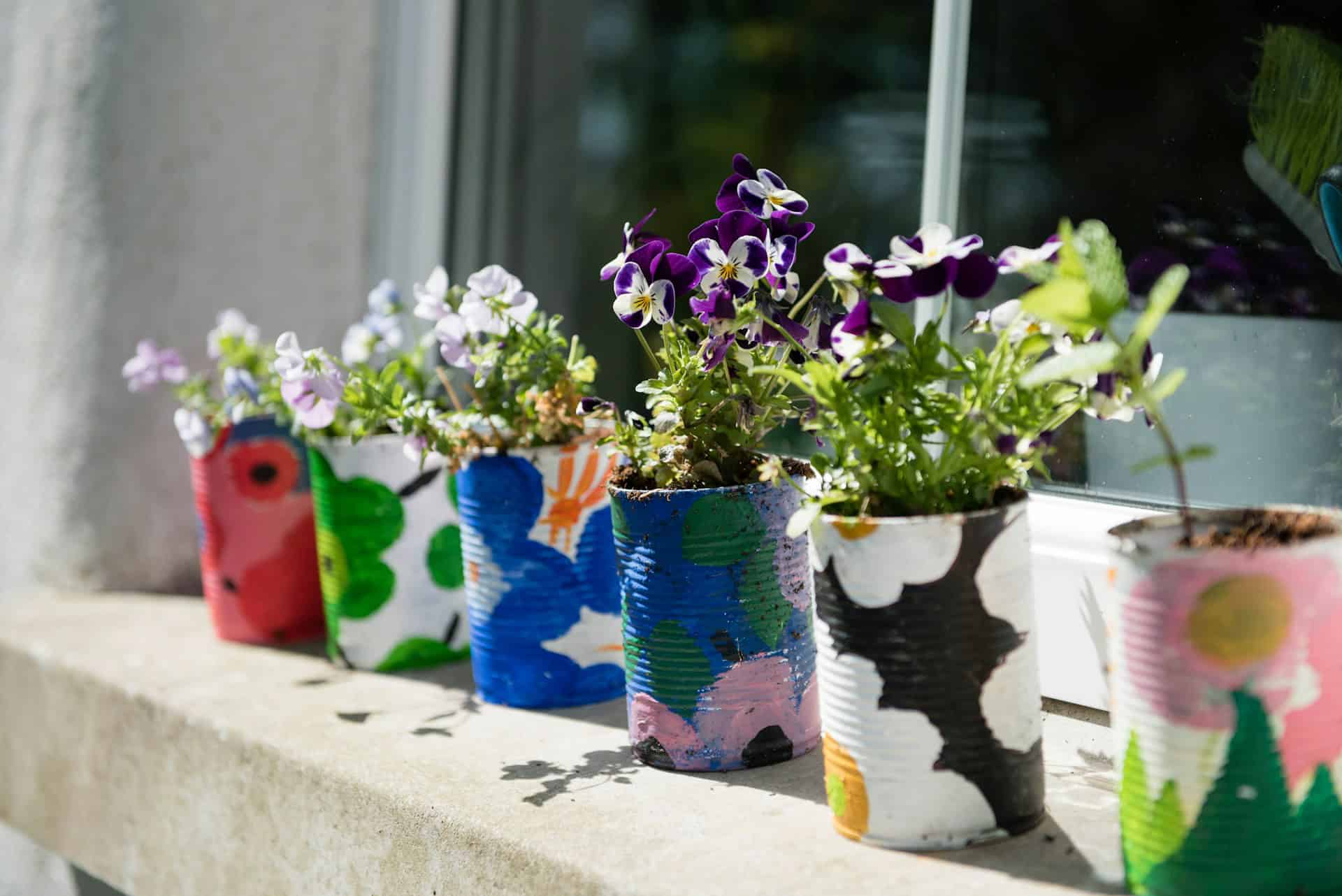
After their purchases, consumers can practice waste reduction by repairing, repurposing, or reusing products. Some examples include repairing a broken cup, repurposing food cans as planters, and refilling a used plastic bottle.
6. End of Life
When a product’s useful life ends, recycling can eliminate waste by restarting the cycle. In Canberra and the ACT, individuals have curbside pickup for general waste, green waste, and recycling. Two resource management centres serve as recycling facilities and handle items that don’t fit or don’t belong in household bins, such as old electronics or hazardous waste. Businesses partner with local recycling and commercial waste management services.
For special projects like garden or home renovations, hiring a skip bin is an efficient, cost-effective way to dispose of green waste or construction debris. Rather than taking up landfill space, waste materials in skips are recycled properly.

Skip Bin Waste Disposal
Each stage in the life cycle of waste management offers opportunities for businesses and individuals to help reduce waste and improve sustainability efforts. If we can help you with those efforts by supplying you with skip bins for your next project, please get in touch with us.